Nitric Oxide And Circulation, Explained Simply
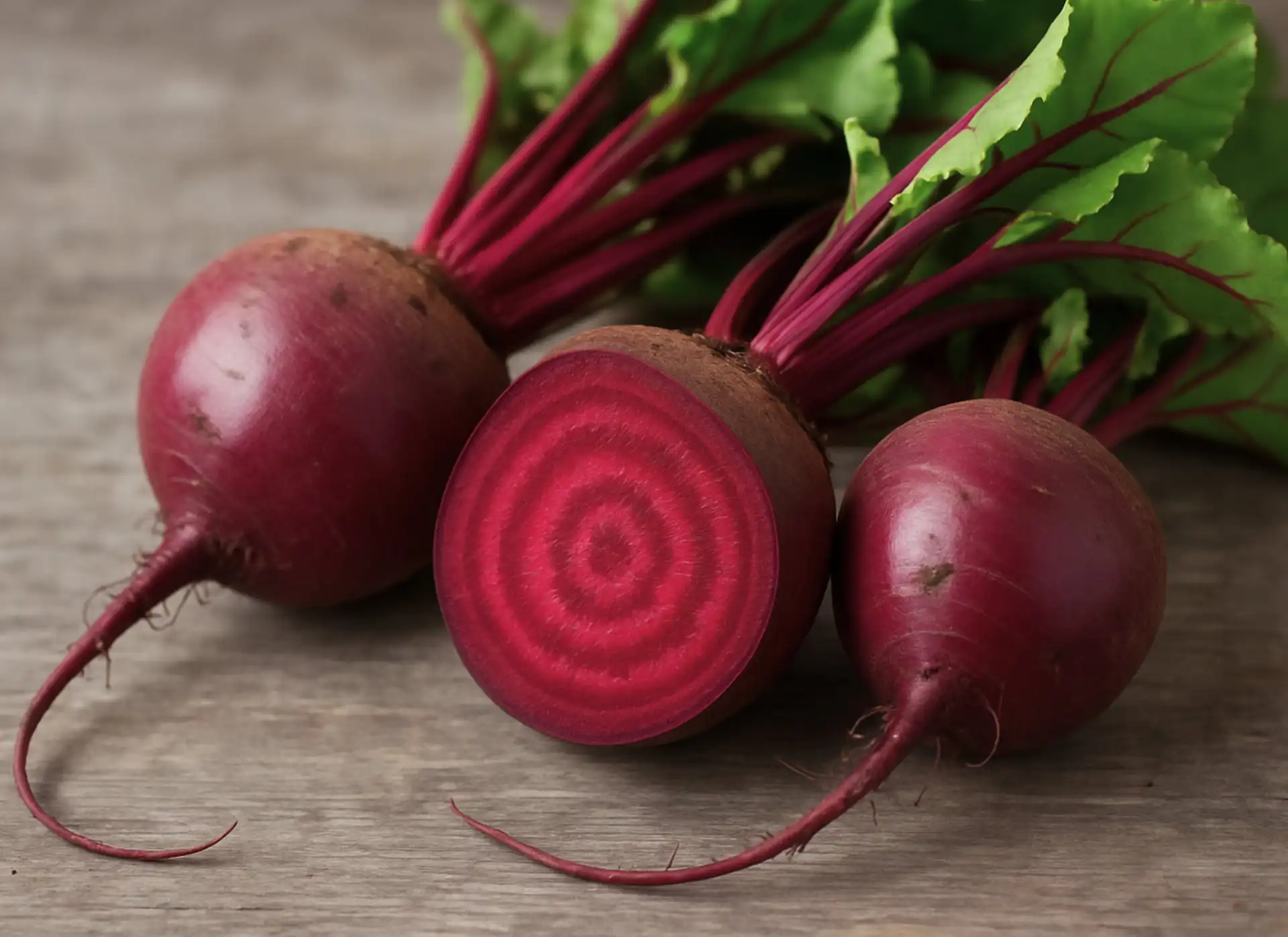
If you've looked at any circulation-focused supplement, you've likely seen "nitric oxide" mentioned — usually alongside beetroot or citrulline. Here's the plain-language version of what that's about.
What nitric oxide does
Nitric oxide is a molecule your body produces that signals blood vessels to relax and widen, a process called vasodilation. Wider blood vessels allow blood to flow more easily, which is relevant to circulation throughout the body, including the legs.
Where beetroot and citrulline fit in
Beetroot is naturally rich in dietary nitrates, which the body can convert into nitric oxide through a specific metabolic pathway. L-citrulline works through a related but distinct pathway — it's converted into L-arginine in the body, which is a direct building block for nitric oxide production.
Why formulas often use both
Since the two ingredients support nitric oxide production through different mechanisms, some formulas — including LightSteps Pro — include both beetroot extract and L-citrulline DL-malate together, on the idea that they complement rather than duplicate each other.
This is general nutrition information, not a claim about treating any specific circulatory condition — if you have diagnosed vascular concerns, that's a conversation for your doctor.