What Is Shatavari Root, And Why Is It In A Leg-Wellness Formula?
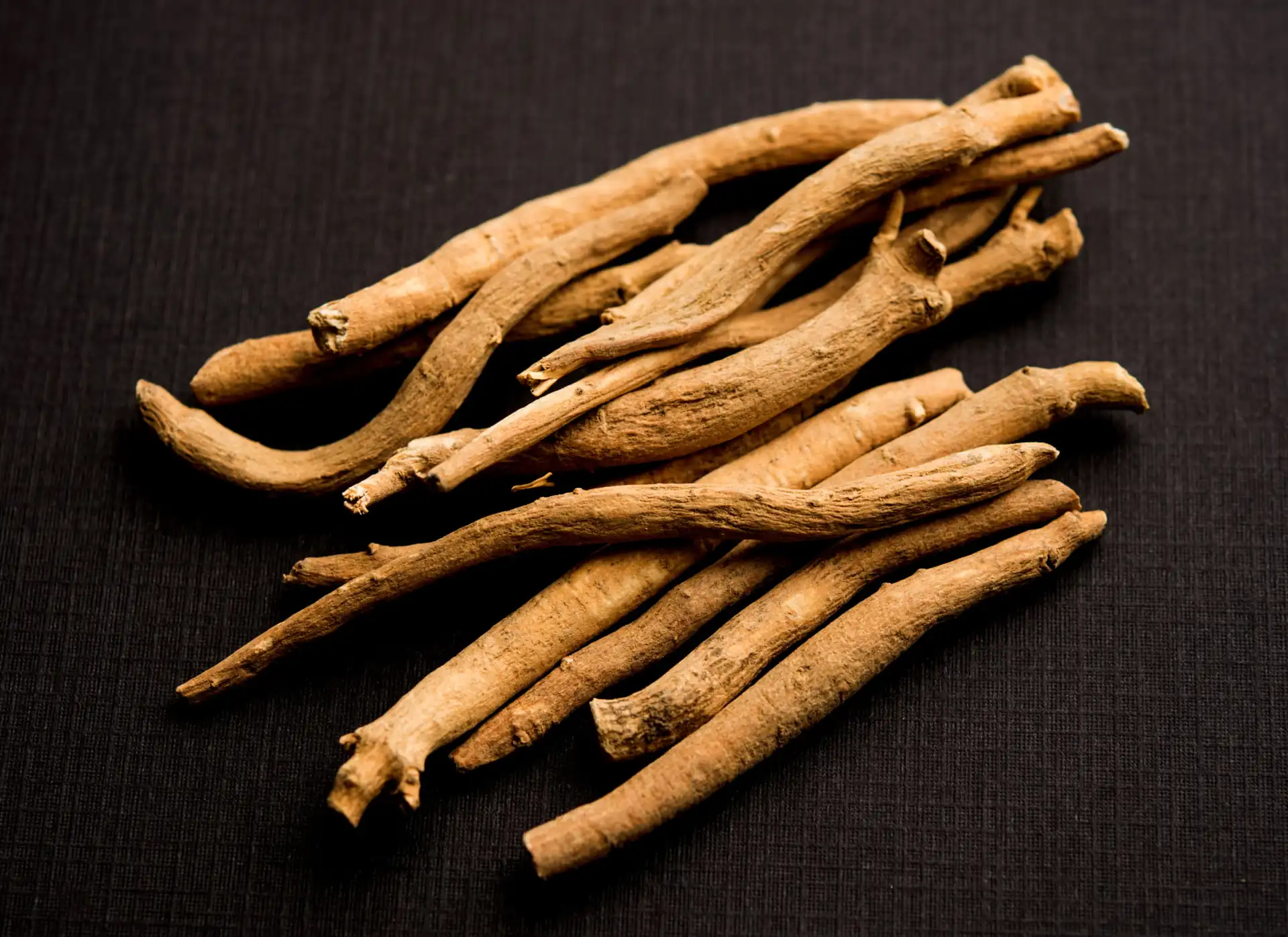
Shatavari (Asparagus racemosus) is a less familiar name than beetroot or vitamin C, but it has a long history in traditional Ayurvedic wellness practices — and shows up in some botanical formulas today.
Traditional background
Shatavari root has been used for centuries in Ayurvedic tradition, most often associated with women's wellness and general vitality. Its name is sometimes translated as "she who possesses a hundred husbands," reflecting its traditional reputation, though that framing is folkloric rather than a clinical claim.
Why it shows up in modern formulas
Contemporary interest in Shatavari often centers on its general antioxidant and adaptogenic properties — compounds that are studied for supporting the body's response to everyday stress. In a formula like LightSteps Pro, it's included as one of several botanical components contributing to the formula's overall wellness profile, alongside more circulation-specific ingredients like beetroot and citrulline.
Keeping expectations grounded
Much of Shatavari's reputation comes from traditional use rather than large-scale modern clinical trials. That's true of many botanical ingredients and doesn't make it a poor inclusion — it just means it's best understood as a traditional wellness ingredient rather than a clinically proven treatment for any specific condition.